Here's a pattern almost every woman we work with recognises: toast or cereal at breakfast, a sandwich or salad at lunch, and then most of the day's protein arriving in one go at dinner. It feels normal because it is normal; it's how most of the UK eats. Through your twenties and thirties you get away with it. In perimenopause, you quietly stop getting away with it.
Why the old pattern stops working
Two things change as oestrogen falls. First, muscle loss accelerates, and muscle is the tissue that burns most of your resting calories. Second, insulin sensitivity declines, so the fast carbohydrates that used to give you a gentle morning lift now produce a sharper spike and a harder mid-morning crash.
The catch is that muscle isn't built from a daily protein total; it's built meal by meal. Research in midlife adults points to a threshold of roughly 25 to 30g of protein in a single sitting to properly trigger muscle protein synthesis. A 60g-protein dinner doesn't bank credit for the toast you had at breakfast. If your first proper protein arrives at 7pm, your muscles have spent most of the day in breakdown mode.
"Muscle isn't built from a daily total. It's built meal by meal, and breakfast is the meal most of us waste."
What the research shows
- Longitudinal data from the SWAN study show lean mass falling across the menopause transition itself, over and above ageing.
- Higher-protein breakfasts improve satiety and reduce evening snacking in intervention studies of midlife adults.
- Distributing protein evenly across meals outperforms skewing it to dinner for preserving lean mass, particularly alongside resistance exercise.
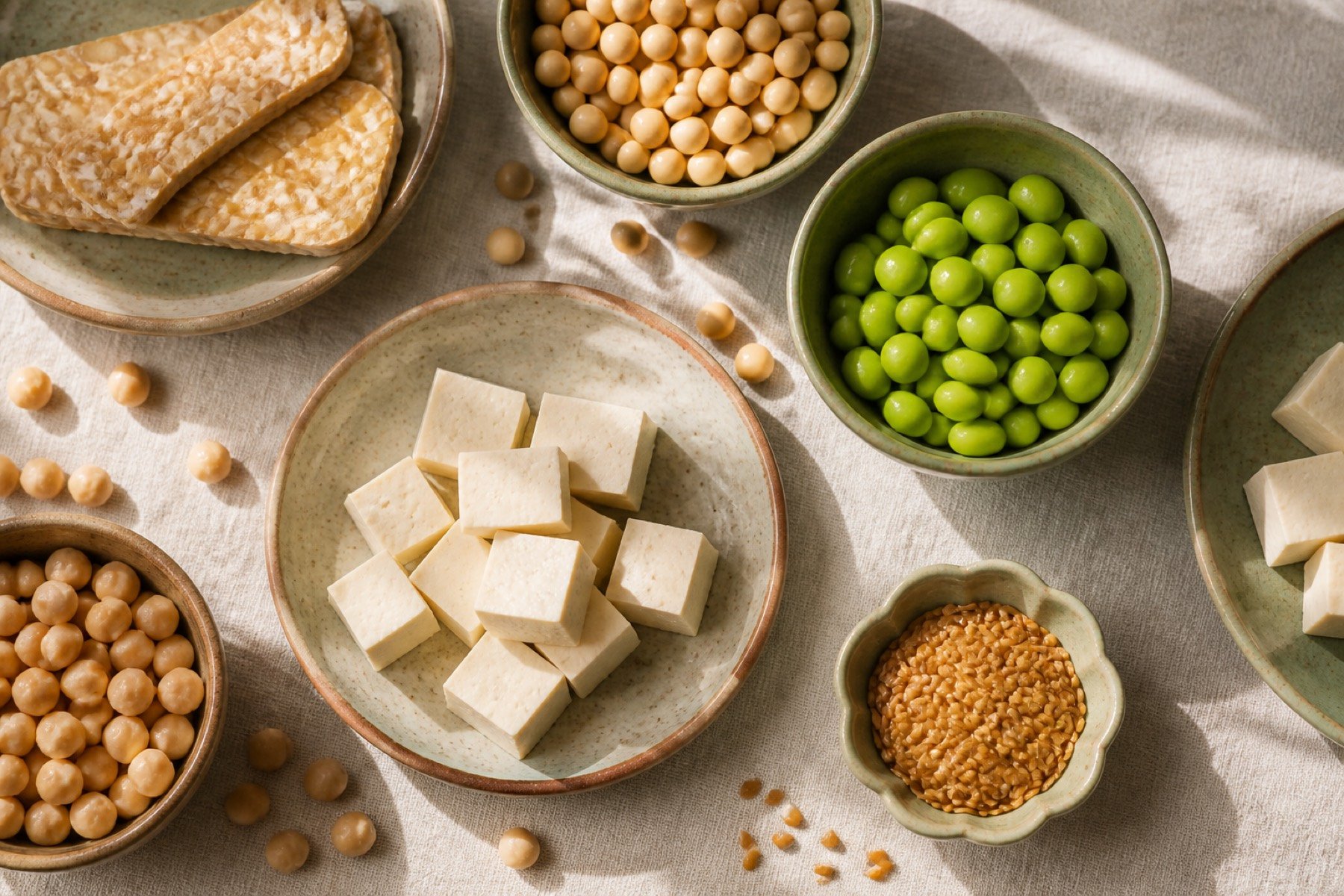
None of this requires a supplement or a chicken breast at 7am. It requires treating breakfast as a real meal instead of a beige formality.
Getting to 25g before 9am, realistically
The arithmetic is friendlier than it sounds once you know where protein hides:
- Greek yoghurt or skyr (150g): about 15g. Add a tablespoon of seeds and a spoon of nut butter and you're past 20g.
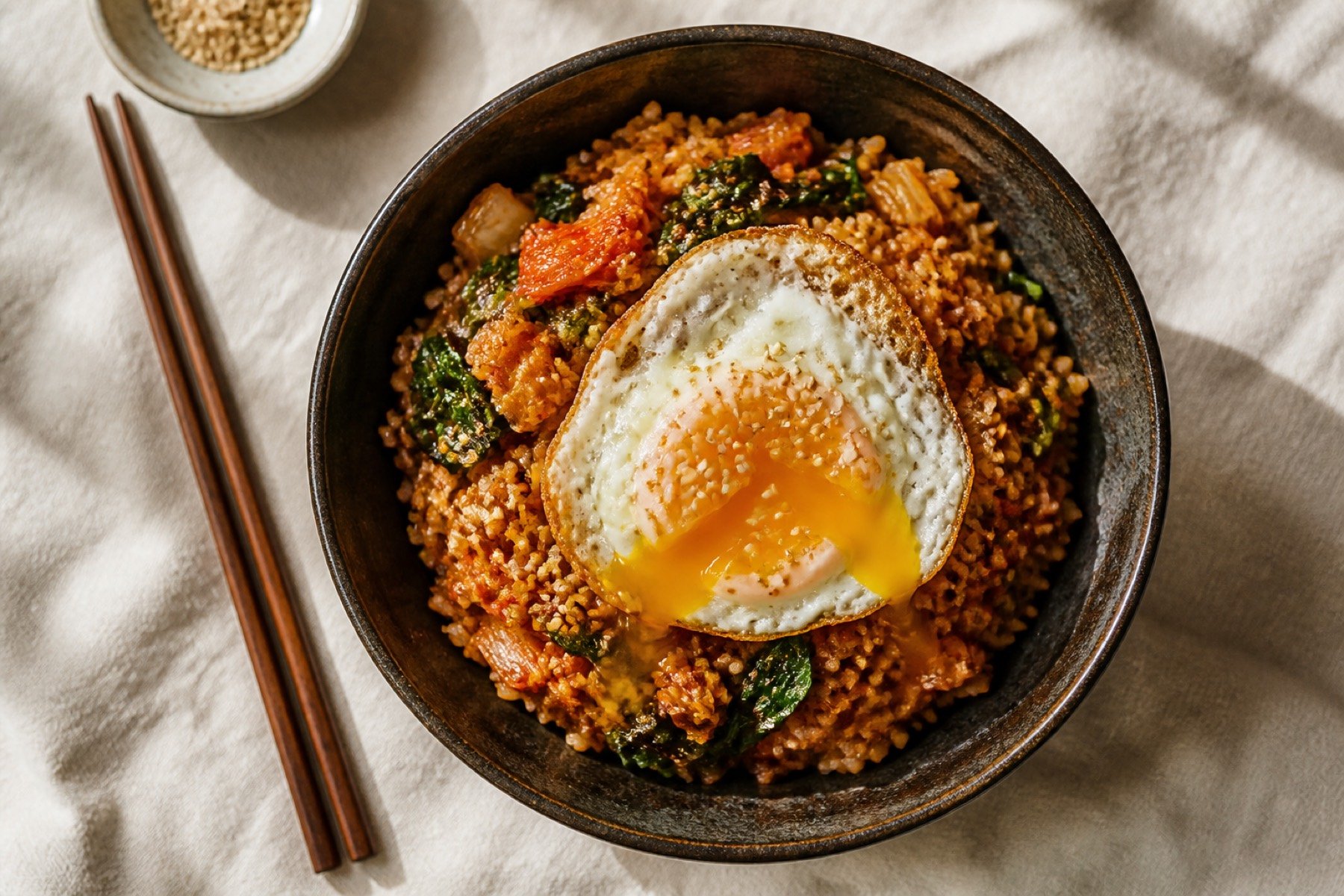
- Eggs: two eggs on a slice of good wholegrain is around 18g; add a scatter of feta for the rest.
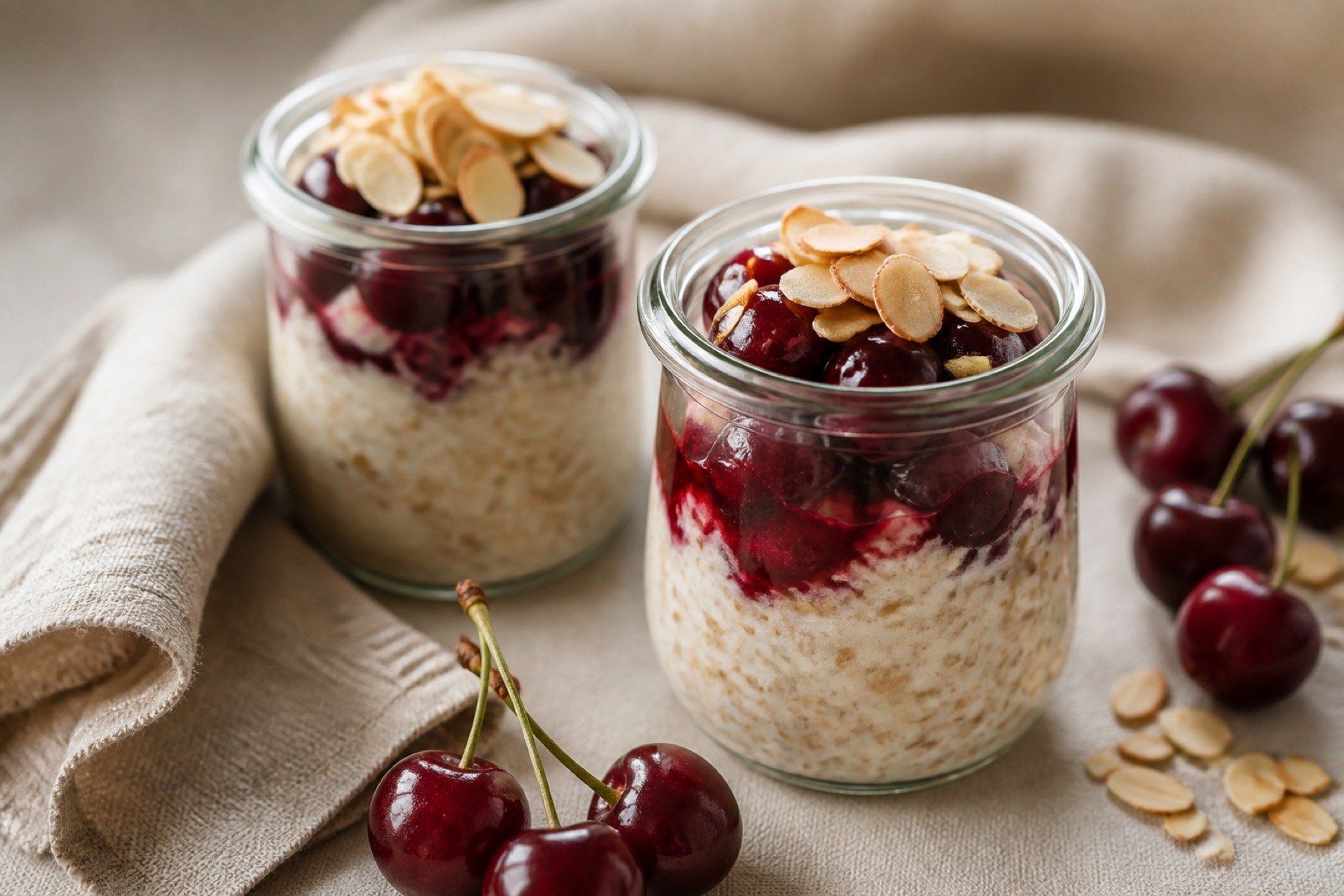
- Overnight oats on kefir with chia and flaxseed: 15 to 18g, plus gut and hormone benefits along the way.
- Leftovers are legal: last night's salmon or beans on toast at 8am does the job better than any cereal.
If you only change one thing this month, make it this one. It's the rare piece of nutrition advice that shows up in your energy within a week: steadier mornings, no 11am biscuit ambush, and an afternoon that doesn't sag.
Where to start tonight
Make a jar of cherry overnight oats before bed, or browse our metabolism-support recipes, every one of them built around the 25-30g rule. And if you want the full evidence trail, it's laid out in plain English on our metabolism science page.