You are not a problem to be managed, and this is not an article about how to break bad news gently. Perimenopause is a normal stage of life that roughly half the population goes through, and yet most couples reach it with no shared vocabulary at all. This piece is for you, the woman in the middle of it, on how to open a conversation that most of us were never taught how to have.
Why the conversation is hard
It's hard for an unglamorous reason: nobody taught either of you the words. School covered periods and pregnancy and then went quiet. Your mother's generation mostly weathered it in silence. So when your sleep falls apart, your temper shortens or your body starts running its own thermostat, you're left translating a physiological event into everyday language, in real time, while living through it. Meanwhile your partner sees changes they can't explain and, in the absence of information, invents explanations. Usually worse ones, and often ones that involve them.
None of that is a failing on either side. It's a vocabulary gap, and vocabulary gaps close the same way they always have: one slightly awkward conversation at a time.
What tends to help
- Name mechanisms, not moods. "The drop in progesterone is wrecking my sleep" lands completely differently from "I'm tired". The first is information your partner can hold on to; the second sounds like a mood they might have caused. You don't need a biology degree, just a sentence or two: hormones are shifting, this is what that shift does, this is roughly how long the phase lasts.
- Pick a neutral moment. Not mid-argument at 11pm, and not while a symptom is actively flaring. A walk, a car journey, a quiet Sunday kitchen. The conversation goes better when nobody is defending a position.
- Say what you actually want from them. Sometimes it's practical, sometimes it's just "believe me and don't flinch". Partners are famously bad at guessing which, so tell them. It saves everyone months.
- Make it a series, not a summit. One big capital-T Talk carries too much weight. Ten small mentions, in passing, while doing other things, build understanding with far less pressure.
"Hormone changes explain the symptom. They don't make you the symptom. A good conversation keeps that line clear."
What tends to backfire
- Anything in the "calm down" family. If your partner's instinct under pressure is to soothe rather than listen, it can come out as minimising. You're allowed to name that: "I don't need this fixed or shrunk, I need it heard."
- It becoming their research project. A partner who reads up is a gift. A partner who returns with a symptom spreadsheet and a supplement schedule has quietly made your body their project, and that rarely feels like support. The information should serve your conversation, not replace it.
- Silence dressed as tact. Some partners decide the kindest thing is never to mention it. It isn't. It just means you carry the whole subject alone, plus the extra job of wondering what they're thinking.
Why the kitchen is a good venue
Psychologists have long observed that hard conversations often go better shoulder to shoulder than face to face. Direct eye contact raises the stakes; doing something with your hands lowers them. It's why teenagers talk in the car, and it's why the kitchen is an underrated place to talk about this. One of you chops, one of you stirs, and the conversation gets room to breathe, with natural pauses built in and a shared result at the end of it.
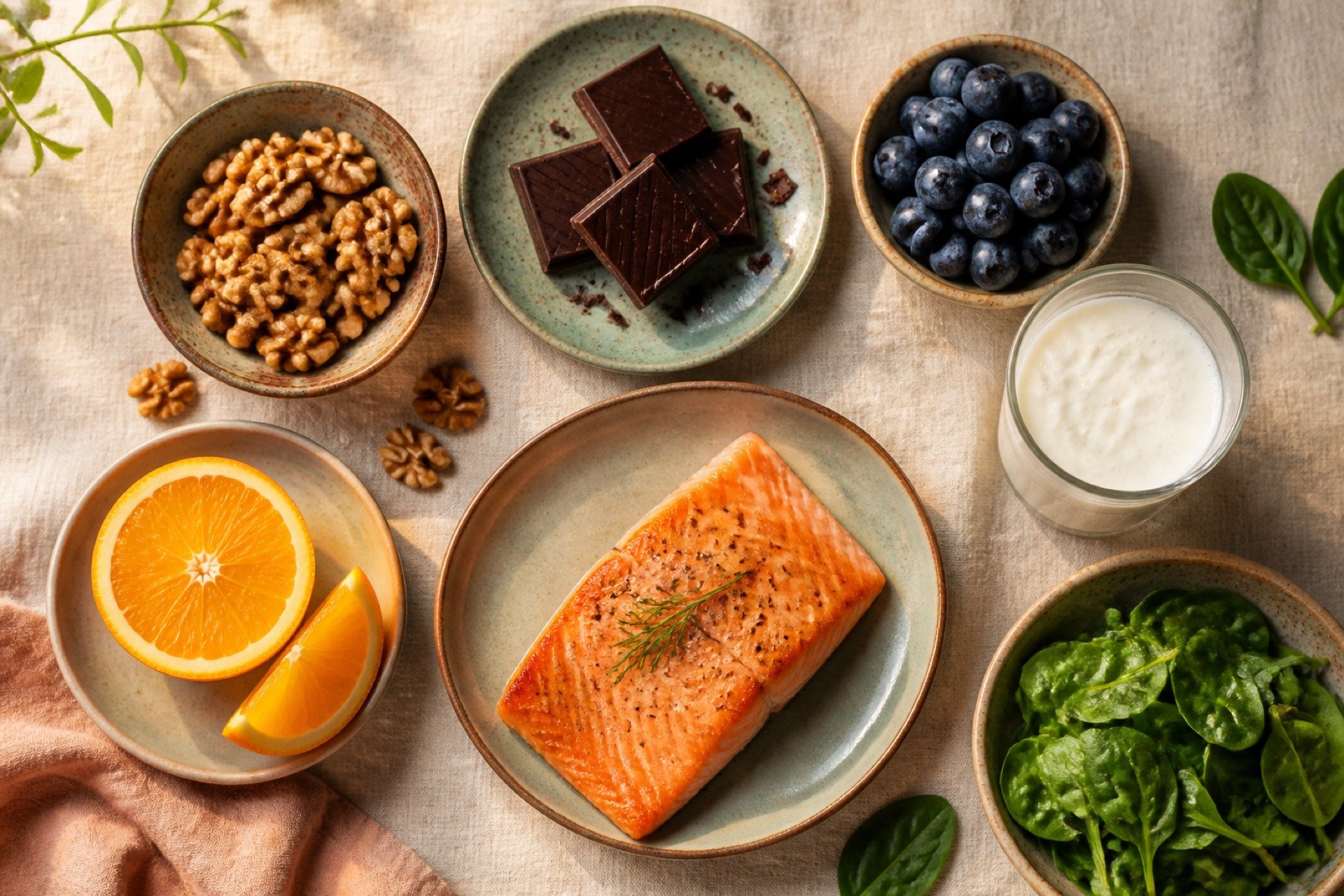
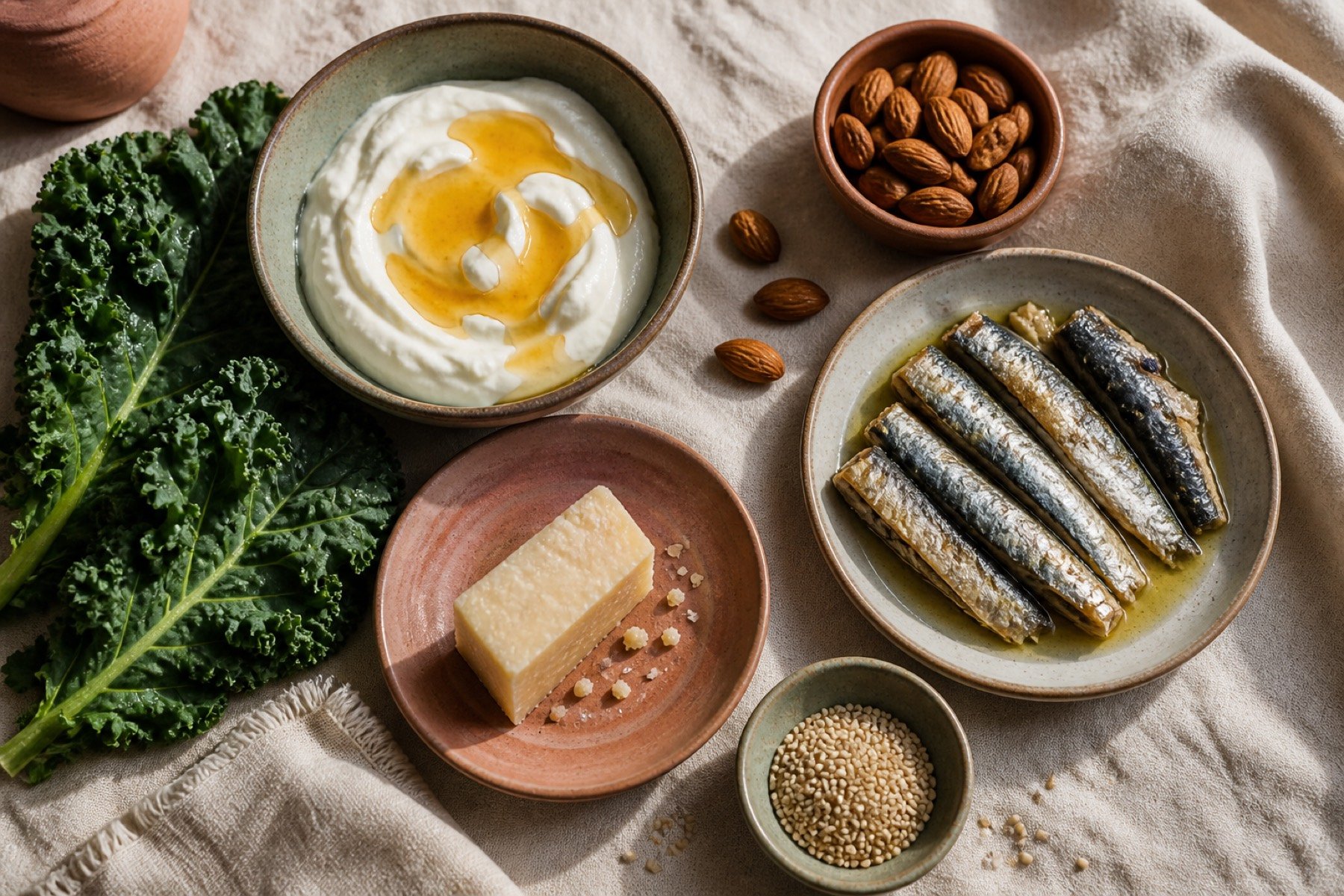
There's a practical bonus too: the food that supports this stage of life, more protein, more plants, more oily fish, is simply good food, and a partner who cooks it with you understands it far better than one who reads about it.
Where to start this week
If your partner, or anyone else around you, wants to understand more, point them at our For your circle guide; it was written for exactly that job, and it will save you being the household's unpaid menopause educator.
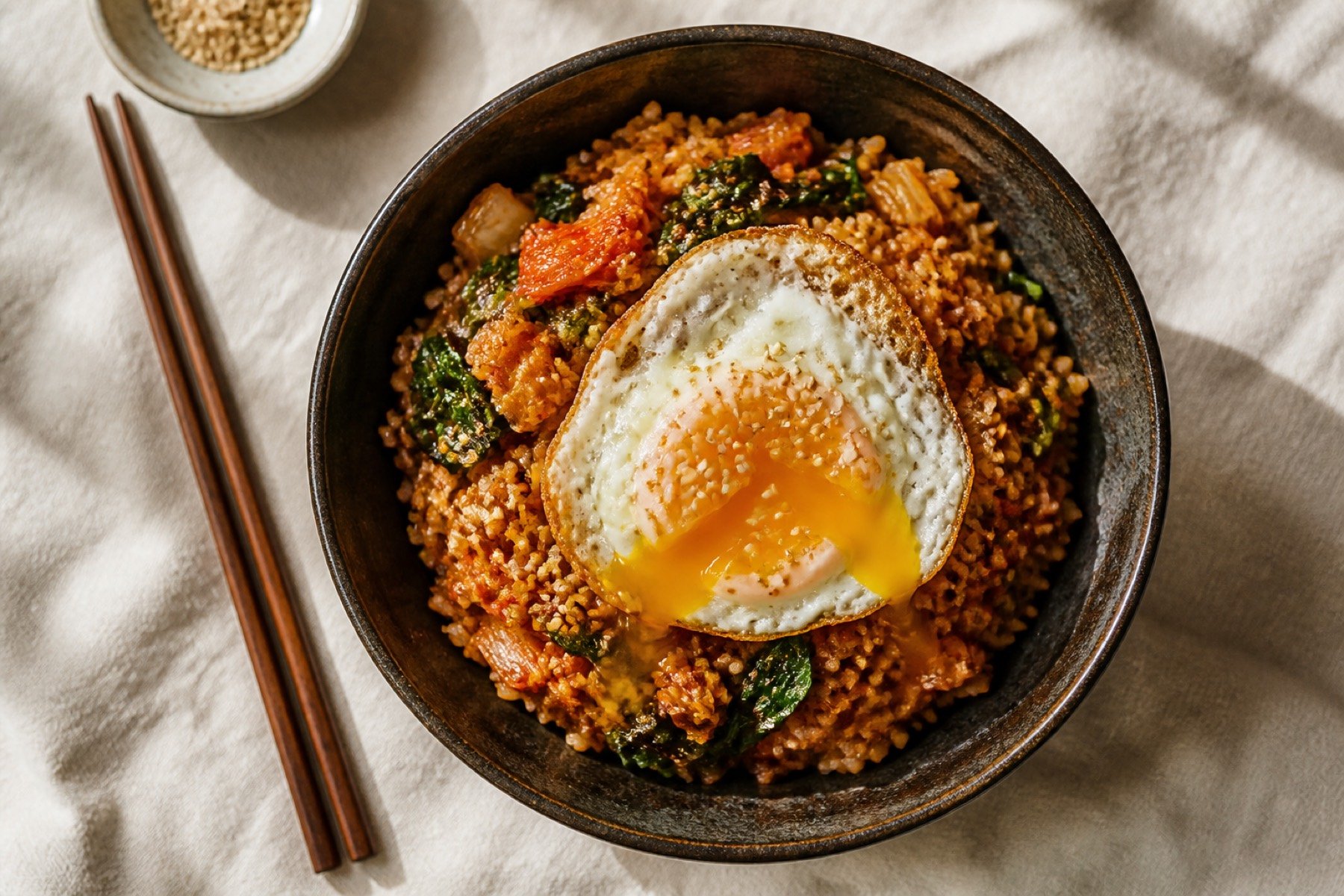
Then try the simplest version of the shoulder-to-shoulder idea: cook one meal a week together, same night each week, no phones. Pick something with jobs for two, like chicken fajita night, a family salmon sushi bake, or a twenty-minute Mediterranean fish stew. The dinner is the excuse. The conversation is the point.