The Mediterranean diet has an image problem in Britain. Say the words and people picture sun-drenched markets, twelve-pound bottles of olive oil and a lifestyle that requires a village square. The reality is less romantic and far more useful: it's a pattern of eating, not a postcode, and almost all of it can be assembled in a mid-sized UK supermarket for less than most families currently spend. Here's why it matters more than ever in perimenopause, and how to build it aisle by aisle.
Why this pattern, why now
For most of your adult life, oestrogen has been quietly doing favours for your heart: helping keep blood vessels flexible and nudging cholesterol in a friendlier direction. As levels fall through the menopause transition, that protection fades. LDL cholesterol tends to rise with the transition itself, over and above ordinary ageing, and cardiovascular risk begins to climb. This isn't cause for alarm; it's cause for a better shopping list.
The Mediterranean pattern is the best-studied dietary response we have. The Spanish PREDIMED trial, one of the largest diet trials ever run, found that a Mediterranean diet supplemented with extra-virgin olive oil or nuts was linked to roughly a 30% lower rate of major cardiovascular events compared with a lower-fat control diet. Trials and cohort studies since have pointed the same way: this way of eating is associated with better heart outcomes, and may also support mood and cognition. No single food does the work. The pattern does.
"The Mediterranean diet is a pattern, not a postcode. The tinned aisle of a British supermarket gets you most of the way there."
Aisle one: the oils
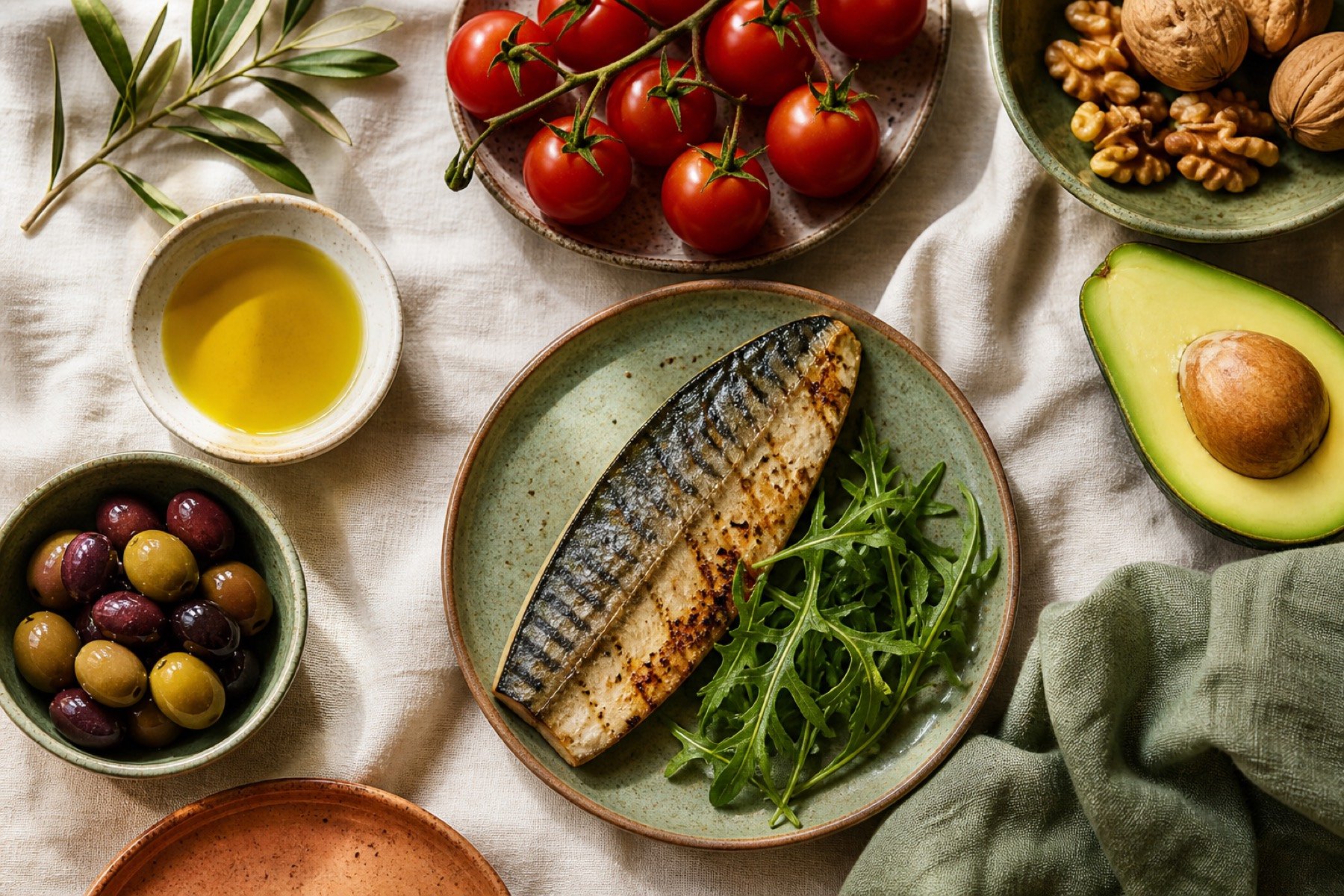
Extra-virgin olive oil is the signature ingredient, and a supermarket own-brand bottle is absolutely fine; the polyphenols that researchers are interested in are present in ordinary extra-virgin, not just the boutique stuff. Use it for dressing, drizzling and moderate-heat cooking. And here's a very British piece of good news: cold-pressed rapeseed oil has a similar ratio of unsaturated fats, is grown here, and often costs less. Alternating the two is a perfectly sensible way to run a kitchen.
Aisle two: the fish counter you're ignoring
The Mediterranean pattern asks for oily fish once or twice a week, and the cheapest route runs straight through the tinned aisle.
- Tinned sardines deliver omega-3s and, if you eat the soft bones, a meaningful dose of calcium, for well under a pound a tin.
- Tinned and smoked mackerel are among the richest omega-3 sources you can buy, and need no cooking at all.
- Frozen fish is nutritionally comparable to fresh, keeps for months, and turns a Tuesday into a fish night without a fishmonger.
If sardines on toast sounds like something your grandmother ate, she was onto something. Try our sardines on tomato-rubbed sourdough and see if you still feel superior.
Aisle three: beans and lentils, and yes, tinned is fine
Legumes are the quiet engine of the Mediterranean pattern: cheap, filling protein wrapped in the fibre that helps manage cholesterol and steady blood sugar. There is no prize for soaking dried beans from scratch. A tin of chickpeas, cannellini or green lentils, drained and rinsed, is the same food in a more convenient shape. Aim to get legumes onto the plate three or four times a week; a tin costs less than a bag of crisps.
Aisle four: wholegrains, the British way
You don't need imported grains with unpronounceable names. The pattern asks for intact, slowly digested carbohydrates, and Britain already grows and sells them:
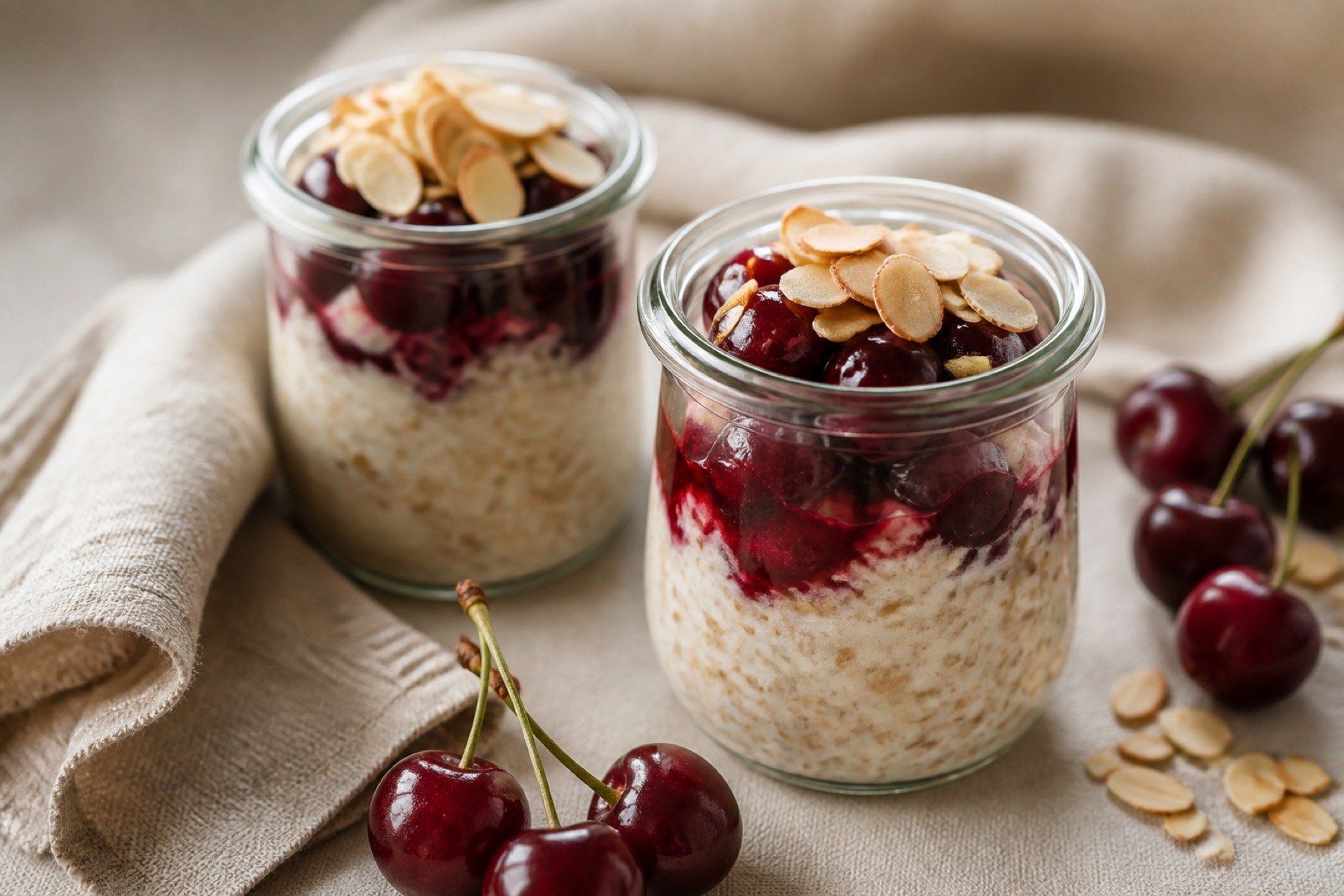
- Oats, the cheapest cholesterol-friendly food in the shop; their beta-glucan fibre is one of the few ingredients with an approved cholesterol-lowering claim.
- Pearl barley, pennies per portion, and it makes a risotto that holds its own against arborio.
- Proper sourdough or a dense wholegrain loaf instead of soft white sliced; slower to digest, better company for olive oil.
Aisle five: nuts, seeds and the frozen section
PREDIMED's second intervention arm was simply a daily handful of mixed nuts; walnuts, almonds and hazelnuts all featured. Supermarket own-brand bags are fine, and a mixed-seed jar by the kettle covers the days you forget. As for vegetables: in-season British veg is the bargain of the shop, and frozen vegetables are picked and frozen at peak ripeness, so a freezer drawer of peas, spinach and mixed Mediterranean veg is not cheating. It's logistics.
The dairy question, and what quietly drops out
Mediterranean eating is not dairy-free; it just favours fermented dairy in modest amounts. Feta, natural yogurt and a little hard cheese all belong. What quietly disappears from the trolley is more telling: processed meat shrinks to an occasional garnish rather than a daily filling, and most ultra-processed snacks lose their shelf space to nuts, fruit and yogurt. Nothing is banned; the pattern just crowds it out.
The costs bit nobody tells you
Here is the part we most want you to take away: the cheap versions are the authentic versions. The historical Mediterranean diet was the food of people without much money: beans, bread, greens, tinned and preserved fish, oil, whatever vegetables were in glut. The expensive "Mediterranean" products in the world-foods aisle are a modern invention. If your trolley is heavy with tins, oats, frozen veg and a decent bottle of oil, you are eating closer to the studied pattern than someone buying jarred artichokes at four pounds a time. Swapping meat for beans two or three nights a week typically leaves the weekly shop cheaper, not dearer.
Where to start tonight
Put a twenty-minute Mediterranean fish stew on the hob, or start gentler with olive oil braised beans and greens. Our full collection of heart-health recipes is built on exactly this pattern, and the evidence behind every plate, PREDIMED included, is laid out in plain English on our heart health science page.